First 72 Hours After Detox: A Practical Guide
Founder & Principal Consultant · NIH CHORUS Co-Author
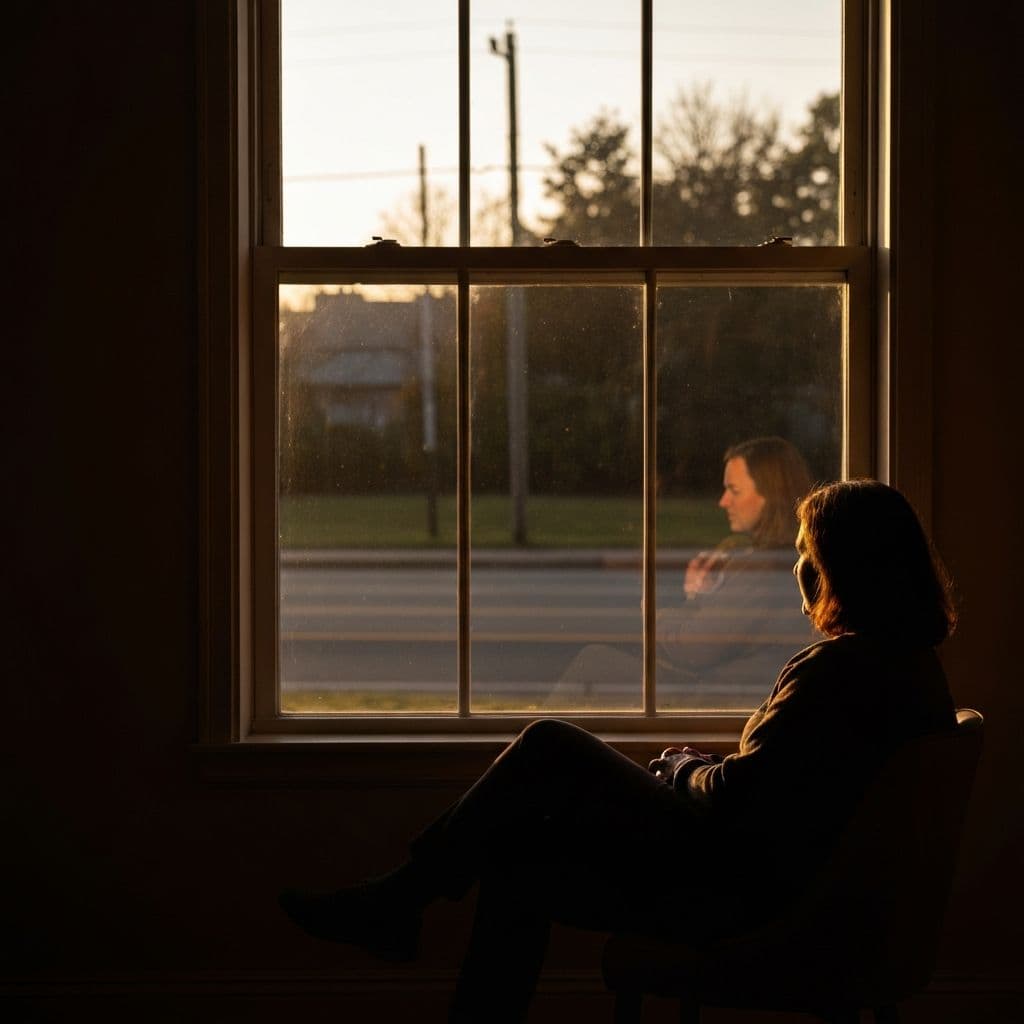
I've sat with people on day three after leaving detox. The silence in their apartment — after thirty days of structure, schedules, and staff — is its own kind of emergency.
Nobody tells you about that part. The discharge paperwork doesn't cover it. Neither does the aftercare plan that got handed to you on your way out the door.
What I've seen, working in this field for 30+ years — and what I lived myself — is that the first 72 hours after detox are not about willpower. They're about structure. Connection. And small, deliberate choices that signal to your nervous system: I'm still here. I'm taking care of this.
Quick Takeaways
- Hour 1Confirm your next appointment and support contact. Write it down.
- Day 1Establish a basic sleep/eat/move routine. Avoid major decisions.
- Day 2Connect with at least one peer or support person. Attend a meeting or call your coach.
- Day 3Review your triggers and create one concrete exit plan for a high-risk situation.
- AlwaysStay hydrated, eat regularly, and move your body. These aren't optional.
The First 24 Hours: Anchor Yourself
Get Your Next Appointment Locked In
Most people leave detox with a discharge plan that exists on paper. A phone number. A referral. A name they don't recognize yet. That's not a plan — that's a starting point.
What you need is one confirmed, calendared next step. An IOP intake. A first appointment with a therapist. A call scheduled with a recovery coach or sober companion. If you don't have that yet, call SAMHSA's National Helpline right now: 1-800-662-4357. Free. Confidential. 24 hours.
Write down — not in your phone, on paper:
- Date and time of your first appointment
- Address and phone number
- Name of your contact person
- How you'll get there (ride, transit, walk)
Put this somewhere you'll see it every morning. Your phone, your bathroom mirror, your wallet. Redundancy is your friend right now.
Build a Micro-Routine
In treatment, someone else held the structure. Now you have to hold it yourself. That can feel like freedom and it can feel like falling — sometimes at the same time.
You don't need a perfect schedule. You need rhythm. Something that tells your nervous system: this is what we do now.
Morning
Within 2 hours of waking
- Drink a full glass of water
- Eat something with protein
- Take a 10-minute walk or stretch
Afternoon
- Eat again
- Move your body (walk, yoga, anything)
- Do one small task
Evening
- Light meal
- No screens 30 minutes before bed
- Aim for 8 hours of sleep
This isn't about being healthy. It's about keeping the days from dissolving into nothing. Structure is what keeps the space from becoming dangerous.
Identify Your Safe Person
One person. That's all. Someone you can text at 10pm and they won't make you explain yourself. A peer, a family member, a sober companion, a recovery coach. Someone who won't panic when you're struggling.
“I just got out of detox. I'm going to check in with you over the next few days. I just need someone who knows what's going on.”
Most people will say yes. If they don't, find someone else. This isn't a burden — it's one of the most important calls you'll make.
Hours 24–48: Connect and Assess
Get Into a Room With Another Person in Recovery
I've watched isolation take people down more times than I can count. Not dramatically — quietly. A few days of "I'm fine, I just need space" and then the silence becomes familiar again. The old patterns don't need much of an invitation.
Get into a room — a meeting, a group call, a one-on-one with a recovery coach — with at least one other person who understands what you're navigating. Not to talk. Just to not be alone with it.
If meetings feel like too much right now:
- Go 15 minutes late and leave 15 minutes early
- Sit in the back
- Don't share; just listen
- Text your safe person afterward
Be Honest About What You're Walking Back Into
Look at where you're living. Look at who's there. Look at what's in the fridge. I'm not asking you to blow up your life — I'm asking you to be honest, maybe for the first time, about what your environment actually is.
If you're going back to a high-risk situation, talk to your support person before you walk through that door. Not after. That conversation is part of your plan.
Eat. Actually Eat.
Your body has been through something significant. It needs protein and real food — not energy drinks, not coffee on an empty stomach, not fast food at midnight. Nutrition affects your mood, your sleep, and how hard cravings hit. This is not optional.
If you're in this window right now — just out of detox, trying to hold the structure together — that's exactly where this work begins.
Hours 48–72: Build Your First Real-World Defense
Build One Trigger-and-Exit Plan
Not twenty. One. The situation you already know is coming — the one you've been thinking about since you walked out the door.
Example Plan
Trigger
Stress at work or conflict with a family member
Early Warning Signs
Feeling isolated, scrolling social media for hours, avoiding people
Exit Plan
- 1.Recognize the feeling (name it: "This is stress. This is not a reason to use.")
- 2.Text your safe person: "I'm struggling. Can we talk?"
- 3.Leave the situation if possible
- 4.Do one grounding activity (cold water on face, 5-minute walk, listen to music)
Take Stock of Where You Are
By hour 72, here's what matters:
- ✓Attended one meeting or support call
- ✓Texted or called your safe person at least once
- ✓Confirmed your next appointment
- ✓Eaten regular meals and slept
If you've done those four things, you've built something real. Not a transformation. Not a finished product. Just a foundation — the kind that actually holds when the harder days come.
What I've Seen Take People Down in the First 72 Hours
Don't isolate. Even if you feel fine, reach out to someone.
Don't make major life decisions. No new job, no breakup, no big move. Not yet.
Don't skip meals or sleep. Your body is healing. Treat it like it matters.
Don't hang out with people who use. Not even "just to see them." Not yet.
Don't expect to feel great. You might feel tired, anxious, or emotionally flat. That's normal. It passes.
Frequently Asked Questions
What if I don't have a place to go after detox?
Call SAMHSA's National Helpline (1-800-662-4357) or text your zip code to 435748. They can connect you to transitional housing, recovery housing, or emergency shelter in your area. You can also ask your detox facility's discharge planner about options before you leave.
Is it normal to feel anxious or depressed in the first 72 hours?
Yes. Your brain chemistry is rebalancing. Anxiety, low mood, irritability, and fatigue are common. If you're having thoughts of harming yourself, call 988 (Suicide & Crisis Lifeline) or go to your nearest emergency room. Otherwise, talk to your support person and your doctor. These feelings usually improve within days to weeks.
What if I'm craving in the first 72 hours?
Cravings are normal and don't mean you're failing. Call your safe person, go to a meeting, take a cold shower, go for a walk, or call your recovery coach. Cravings usually pass in 15–20 minutes. You can outlast them.
Should I go back to work in the first 72 hours?
If you can take a few days off, do it. Your nervous system needs rest. If you have to work, keep it simple. Let your boss or manager know you're managing a health situation. Focus on showing up and doing the basics.
What if my family is pushing me to do things I'm not ready for?
Set a boundary. You can say: "I appreciate your support. Right now, I need to focus on my recovery. I'll let you know when I'm ready." You don't have to explain or justify. Your recovery comes first.
Can I use medication prescribed by my doctor?
Yes, if it's prescribed by a doctor who knows your history. Be honest with your doctor about your substance use history. If you're unsure, ask your doctor or call your recovery coach.
What Comes Next
The first 72 hours aren't about thriving. They're about holding. Building enough structure that the next 72 hours are a little more stable than these.
What I know from 30+ years in this work — as someone who lived it, and as someone who has walked alongside people at every stage of recovery — is that the transition out of treatment is where real-world support matters most. Not because you can't do this. But because nobody should have to figure it out alone.
You got yourself through detox. Now get yourself through the first 72 hours. Then the next. That's how this is built.
Need structured support right now?
Concierge recovery support for individuals and families navigating the transition after treatment.
Schedule a Confidential CallDisclaimer: This content is not medical advice. Insightful Recovery Solutions provides non-clinical recovery support services. The information in this article is educational and peer-oriented — it does not replace professional medical care, therapy, or treatment. If you are experiencing withdrawal symptoms, severe anxiety, depression, or thoughts of self-harm, contact your doctor, call 988 (Suicide & Crisis Lifeline), or go to your nearest emergency room. Always consult with a healthcare provider before making changes to medications or treatment plans.