On Monday, October 26, about ten people joined Tyshaun Perryman on Zoom for the Celebration Insightful Overview: where The Insightful Way is going next, then questions. Recovery coaches, peer supports, providers, founders and community members. They stayed the whole two hours.
Tye walked the room through the overview: recovery, human development and community capacity are connected, and lived expertise can be the foundation for individual and collective growth. He kept it to the overview on purpose. The full ecosystem can wait. What came back from the room is worth writing down, because it points at what peer recovery leadership actually takes.
In his words after: “People are really starting to get it.”
1. The front line already sees it
The people who do the daily work, recovery coaches, peer supports, community health workers, did not need to be sold. They see what is missing because they work inside it every day. They want to be part of building something better.
Organizations need the structure: the trainings, the method, the plan. The front line needs a place in it. Both matter, and the work has to serve both.
2. Hiring lived experience is step one
The field has spent years hiring people with lived experience, and that matters. But hiring someone with lived experience is not the same as building a program that is shaped by lived experience.
When every rule, form and decision comes from somewhere else, a recovery coach can end up doing paperwork, driving people to appointments or watching from the side. The field has a name for that: peer drift. The coach is in the building, but the expertise they carry is not shaping the work.
The standard already exists. Federal law describes a recovery community organization as one that is wholly or principally governed by people in recovery. Faces & Voices of Recovery’s national standards ask for more than half of a board or advisory board to be people in personal recovery.
That is the direction Insightful Recovery Solutions works in: take recovery coaches beyond coaching and develop them as leaders. A coach who leads brings more to the people they serve and to the program that hired them. Lived experience is data, not testimony. It is a credential.
3. Change the language, change the room
One word kept coming up in the room: “the system.” The system does this. The system won’t let us do that.
That is exactly what the first Inner Capacity training works on. Changing your language changes what you believe you can do. When people talk only about what the system controls, they hand it everything. When they name what they carry, their skills, their relationships, their Healing Capital, they start building. Asset-based over deficit-based. Always.
4. Small rooms do the deep work
The overview opens the door. The real work happens in smaller rooms built for a specific group: a team of recovery coaches, a shop full of barbers, a circle of families. Training made for the people in the room lands in a way a big presentation cannot.
That is why The Chair Conversations stays small. Eight or nine people in a barbershop, every session of the pilot. Nobody is called on, and nobody fills out a form.
“When you put people into these trusted environments, you build human connection. That human connection becomes infrastructure in and of itself.”
Tyshaun Perryman
5. A Chair Conversation anyone can run
The question after the overview was how this reaches further. The answer is a method, not one person. Tye does not have to be in every chair. With a standard way to run a Chair Conversation, people can hold one in their own community, on their own block, in their own shop, and make it fit where they live.
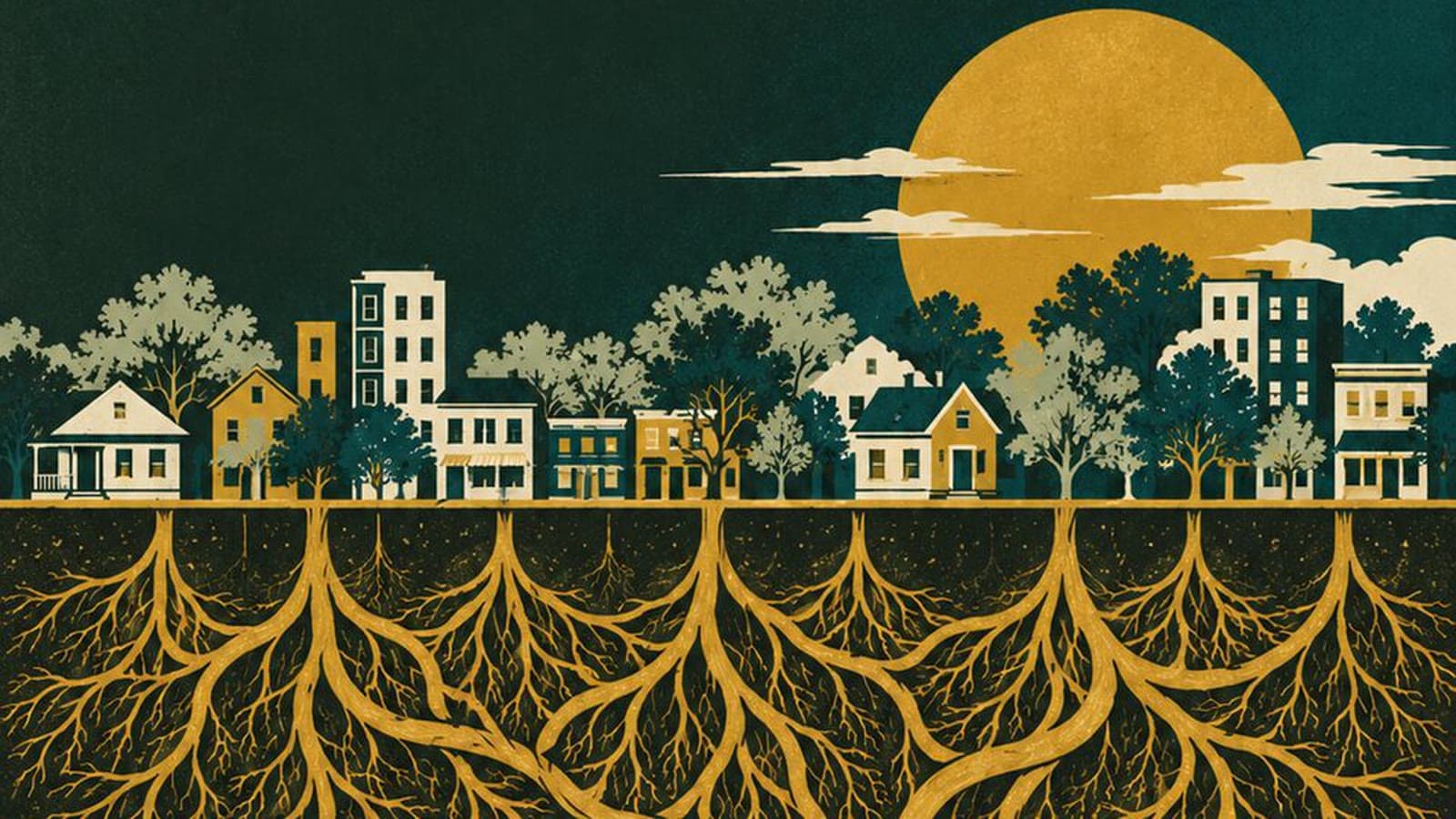
That is community recovery infrastructure: trusted places, trained people and a shared method, built once and carried from one community to the next. Interest is already coming from outside Massachusetts. If you want a Chair Conversation where you live, send a note.
Next: School of the Hard Knocks in Randolph
The next room is in person. Chair Conversations: School of the Hard Knocks is a new series at Crispy Cuts, 45 North Main Street, Randolph, MA. The first session is Monday, November 2, 11:30 AM to 1:30 PM. It is free, and there is nothing to sign up for. Pull up a chair, and bring somebody with you.
Read more about why barbers and cosmetologists are Recovery Assets, or see The Insightful Way.
Next · In person · Free
School of the Hard Knocks
Monday, November 2, 11:30 AM to 1:30 PM
Crispy Cuts, 45 North Main Street, Randolph, MA