The short answer
To become a recovery coach in Massachusetts, most people work toward the Certified Addiction Recovery Coach (CARC) credential. MBSACC, the state certification board, publishes the standards: a high school diploma or GED, 60 hours of education, 500 hours of supervised work or volunteer experience, hours of direct supervision, and a passing score on the CARC exam. The credential is renewed every two years.
Recovery coaches are some of the most trusted people in the field. They meet people where they are, help them plan, connect them to resources, and stand next to them through the hard parts. Many came to the work through their own recovery or a family member's. This guide covers how to make that experience a career in Massachusetts.
What a Recovery Coach Does
A recovery coach is a peer, not a clinician. The work is non-clinical: no diagnosis, no therapy, no medical advice. Coaches help a person set their own recovery goals, find housing, work, meetings or treatment, speak up for themselves in systems that can feel built against them, and keep going between appointments. Coaches work in hospitals, emergency departments, recovery centers, treatment programs, community health centers and community organizations.
If you want to know how the role compares with others, read Recovery Coach vs Therapist and What Does a Sober Companion Do?
What Is the CARC?
CARC stands for Certified Addiction Recovery Coach. In Massachusetts it is issued by MBSACC, the state board that certifies recovery coaches and counselors. Many Massachusetts employers ask for it or expect you to earn it after you are hired. It is a certification, not a state license.
MBSACC's published standards build the credential around four areas of the work:
- →Advocacy
- →Mentoring and education
- →Recovery and wellness support
- →Ethical responsibility
CARC Requirements
MBSACC's published standards list these requirements. Standards change, so confirm the current version and the application packet with MBSACC before you start.
- →A high school diploma or GED.
- →60 hours of education across the four areas of the work. A standard recovery coach training covers much of this.
- →500 hours of supervised work or volunteer experience as a recovery coach.
- →Hours of direct supervision, spread across the four areas. The published standards list 35 hours, at least 5 in each area.
- →A passing score on the CARC exam.
- →Renewal every two years, with continuing education.
Steps to Become a Recovery Coach in Massachusetts
- 1.Take a recovery coach training. Community colleges and training centers across the state offer them, including Middlesex Community College, North Shore Community College and Westfield State University. Check that the hours count toward the CARC.
- 2.Find a place to build your hours. Recovery centers, hospitals, treatment programs and community organizations hire and train recovery coaches. Volunteer roles can count too.
- 3.Get supervision from day one. Ask who will supervise you and whether that supervision counts toward the credential before you take a role.
- 4.Keep records as you go: training certificates, hours, and supervision dates and topics.
- 5.Apply to MBSACC and register for the exam when your hours are complete.
- 6.Keep learning. Continuing education keeps the credential current and keeps you growing.
Why Supervision Matters
Supervision is where a coach learns to hold boundaries, handle hard moments and avoid burnout. It is also where many programs fall short. A coach can end up doing paperwork or driving people to appointments, with nobody helping them grow. The field calls that peer drift.
Good supervision protects the coach and the people they serve. Insightful Recovery Solutions trains recovery coach teams and supports the people who supervise them. Read about training and supervisor support for organizations.
Becoming a Sober Companion
There is no separate license for sober companions. Many start as recovery coaches, then take on daily, event or travel support for one person at a time. The same things matter: training, supervision, a written scope and clear boundaries. Read what a sober companion does.
Beyond Coaching: Recovery Coaches as Leaders
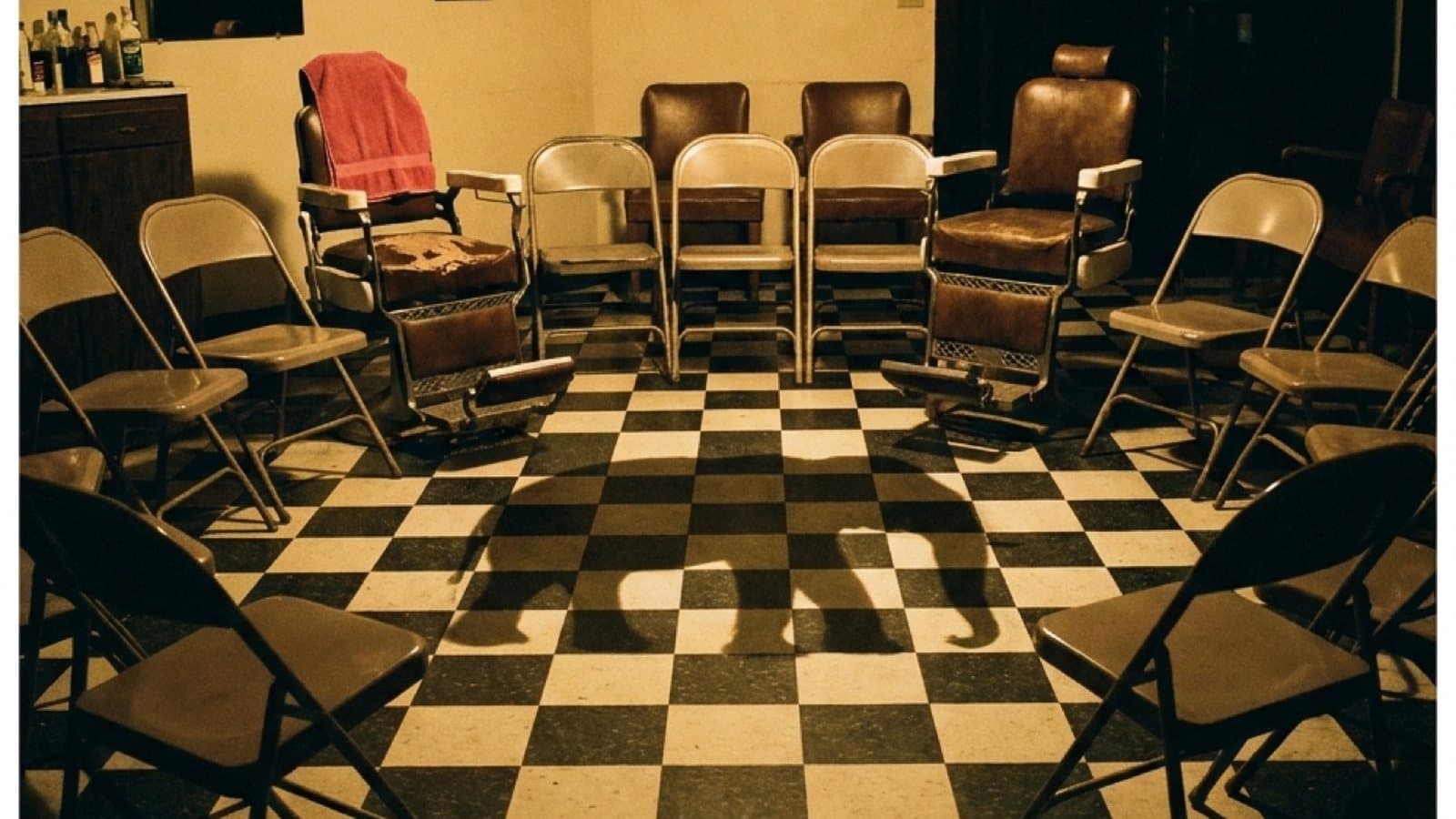
Lived experience is a credential. The next step for the field is giving recovery coaches a real say in how programs run, not just a seat in the building. Read what peer recovery leadership takes, and see how The Chair Conversations brings the work into barbershops.
Frequently Asked Questions
What is a CARC in Massachusetts?
CARC stands for Certified Addiction Recovery Coach. It is the recovery coach certification issued by MBSACC, the Massachusetts certification board. It is a certification, not a state license.
How long does it take to become a CARC?
It depends on how fast you build the 500 hours of supervised experience. The training hours can be done in weeks. The work hours usually take several months or more, depending on how many hours a week you work or volunteer.
Do I need a degree to become a recovery coach in Massachusetts?
No. MBSACC's published standards ask for a high school diploma or GED, plus training, supervised hours, supervision and the exam.
Does volunteer work count toward the CARC hours?
MBSACC's published standards count supervised work or volunteer experience. Confirm with MBSACC that your role and supervision qualify before you count the hours.
Can a recovery coach work as a sober companion?
Yes. There is no separate license for sober companions, and many come from recovery coaching. Training, supervision and a clear written scope matter in both roles.
Training a team of recovery coaches?
Insightful Recovery Solutions trains recovery coach teams and supports their supervisors. See the work with organizations.
Schedule a Confidential CallDisclaimer: This content is educational and is not medical or legal advice. Insightful Recovery Solutions provides non-clinical recovery support services. Requirements and resources change, so confirm details with the source. If you are experiencing a mental health crisis, thoughts of self-harm, or a medical emergency, call 988 (Suicide & Crisis Lifeline), contact SAMHSA's National Helpline at 1-800-662-4357, or call 911.